The Timeless Elegance of Silk Sarees
Imagine a single piece of fabric, nine yards long, woven with threads of pure silk and sometimes even real gold. It’s not a dress, not a gown, but an elegant canvas that has been telling stories for centuries. This is the silk saree—a timeless icon of grace and artistry that raises a common question for newcomers: what is a saree, really?
Unlike a stitched garment, the saree is one continuous piece of cloth. It’s masterfully wrapped around the body over two separate pieces: a fitted top, called a blouse, and a simple underskirt known as a petticoat, which helps anchor the elegant front pleats. This three-part system is what creates the iconic silhouette, allowing a single piece of fabric to become a flowing, personalized expression of style.
This guide unravels the mystery of silk sarees, from the rich traditions seen in South Indian bridal saris to simple tips for caring for your first one. You will leave feeling confident, able to appreciate the incredible craftsmanship, and ready to see these garments not just as clothing, but as wearable history.
What Makes a Saree a Saree? The Three Core Parts to Know
At first glance, a saree appears to be one long, beautiful piece of fabric. In reality, it’s a thoughtfully designed canvas with three distinct sections that work together to create its elegant effect. Recognizing these parts reveals the artistry behind every saree you see.
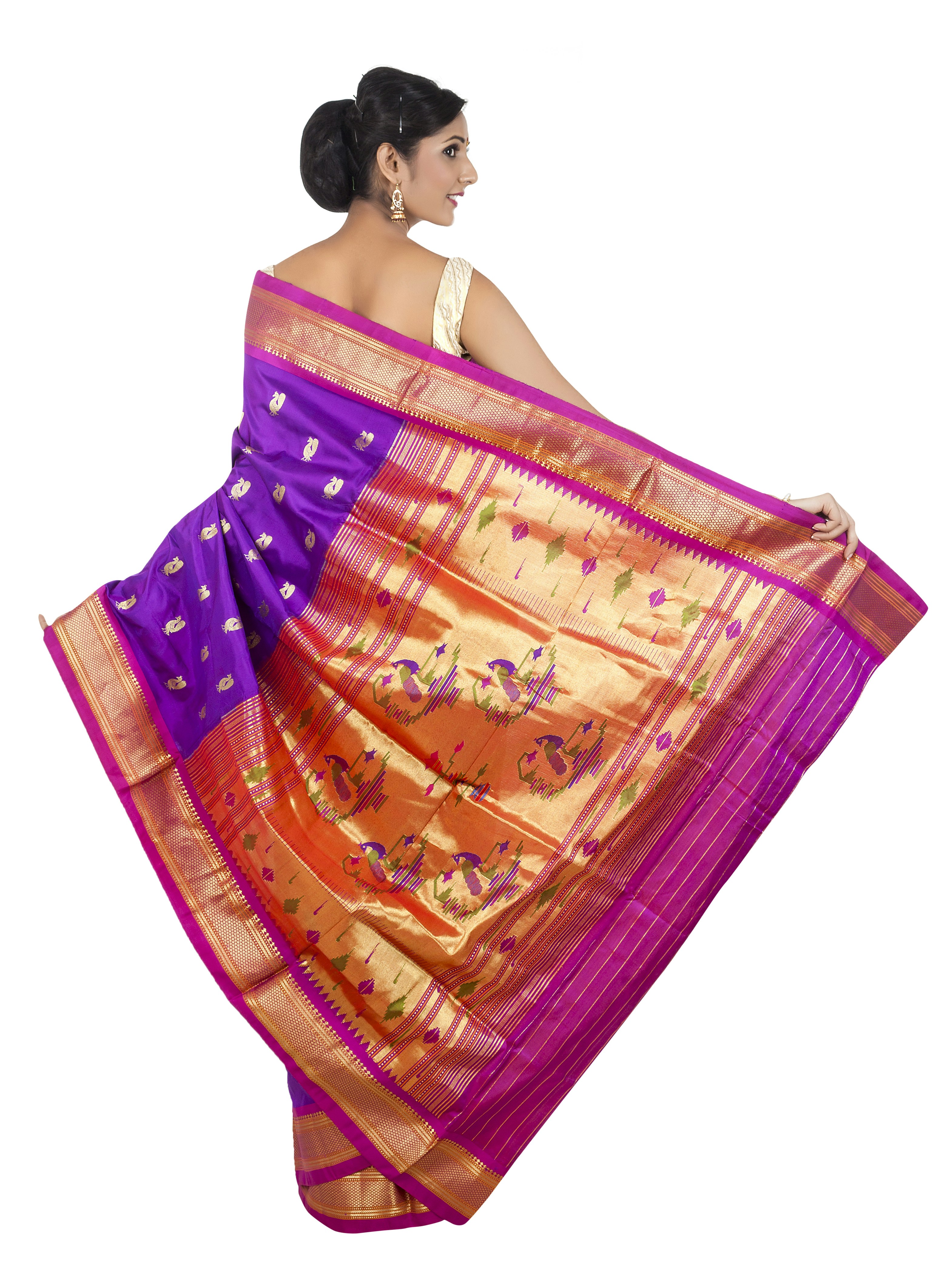
The vast majority of the fabric is called the body. This is the main canvas, the part that wraps around you. Running along the top and bottom edges are the borders, which act like a frame. More than just decoration, these often more densely woven strips add weight, helping the saree hang and drape gracefully.
Finally, we come to the most celebrated section: the pallu. This is the highly decorative end piece that is draped over the shoulder, designed to be shown off. It’s where weavers often pour their most intricate and stunning work, making it the artistic signature of the entire garment. From rich geometric patterns to elaborate stories told in thread, the pallu is the masterpiece of the saree.

Pure Silk vs. ‘Art’ Silk: How to Tell Real Luxury from a Lookalike
As you explore the world of sarees, you’ll quickly encounter a confusing term: ‘art silk.’ While it sounds artistic, it’s crucial to understand this is a marketing name for artificial silk. Art silk is typically a man-made fabric like polyester or rayon, engineered to mimic the look of the real thing at a fraction of the cost. Pure silk, on the other hand, is the genuine article—a natural protein fiber produced by silkworms, treasured for centuries for its unparalleled qualities. Knowing the difference between art silk and pure silk is the first step to becoming a savvy shopper.
The most telling distinctions are in the look and feel. Pure silk has a signature luster that seems to glow from within; its naturally triangular fibers scatter light to create a rich, multi-toned shimmer. In contrast, art silk has a more uniform, flat shine that can look almost whitish under bright lights. When you touch it, pure silk feels soft and will quickly warm up in your hand, while art silk often feels cooler, smoother, and more slippery to the touch.
Here’s a simple guide to what sets them apart:
| Feature | Pure Silk | Art Silk (Artificial) | | :— | :— | :— | | Source | Natural protein fiber from silkworms | Man-made synthetic fiber (polyester, rayon) | | Feel | Soft, smooth, and warm to the touch | Slippery, stiffer, and cool to the touch | | Sheen | A rich, luminous sheen with multiple tones | A uniform, often overly bright or whitish shine |
Even within pure silk, there’s beautiful variety—a rustic Tussar silk will have a coarser texture compared to smooth Mulberry silk, but both share these core natural qualities. Appreciating these differences ensures you see the true value of a handcrafted garment and aren’t misled by a lookalike.
Your 3-Step Guide to Identifying a Genuine Silk Saree
While the sheen and feel of silk are strong clues, what if you want to be absolutely sure? Luckily, a few simple, time-tested methods can help you identify pure silk fabric with confidence. The first and quickest is the touch test we mentioned: pure silk feels soft and warms up in your hands, whereas artificial silk remains cool and slippery. But for moments when you need more certainty, two other tests can reveal the truth.
An elegant and non-destructive method is the “Ring Test.” Try to pull a corner of the saree through a simple finger ring. Because genuine silk is a strong yet incredibly fine and flexible natural fiber, it should slide through smoothly without much resistance. An artificial silk saree, being stiffer and less pliable, will typically bunch up and struggle to pass through the ring. This test is a wonderful indicator of the fabric’s quality and suppleness.
For the most definitive proof, you can perform a “Burn Test.” This does require a bit of sacrifice, so carefully pull a single thread from an unnoticeable part of the saree, like the inner hem. When you light it with a flame, pure silk will smolder, curl away, and smell distinctly like burnt hair. It leaves behind a brittle, black ash that crumbles to dust. In stark contrast, synthetic art silk will melt, often forming a hard plastic bead, and will give off a chemical smell, much like burning plastic.
These hands-on tests empower you to verify authenticity yourself. Of course, when shopping, an easier way is to look for an official tag. The Silk Mark is a certification issued by the Government of India that guarantees the fabric is 100% pure silk.
A Tour of India’s Most Famous Weaves
Saying you have a “silk saree” is a bit like saying you have a bottle of “French wine”—the real story is in the region it comes from. Across India, different towns and villages have spent centuries perfecting their own unique types of Indian silk weaves, creating distinct fabrics that tell a story of their origin. Just by looking at the color, weight, and patterns, you can begin to see a map of the country’s incredible artistry.
Perhaps the most celebrated of these is the Kanjivaram from South India. Known for its rich, heavy silk and wide, contrasting borders often woven with pure gold or silver thread, a Kanjivaram is a statement of grandeur. The silk is renowned for its durability and luxurious weight, making it the quintessential choice for brides and momentous family ceremonies. Its bold colors and temple-inspired motifs are instantly recognizable.
For a completely different aesthetic, you can look to the Banarasi saree from the northern city of Varanasi. These sarees are famous for their intricate, Mughal-inspired patterns—delicate florals, scrolling vines, and detailed figures woven directly into the fabric, creating a look of opulent brocade. In sharp contrast, the gossamer-light Chanderi silk sarees from Madhya Pradesh offer a sheer, breathable elegance with a subtle sheen, perfect for formal events in warmer weather.
With such distinct personalities, each has its own story and grandeur, much like the lustrous pure Mysore silk sarees or dozens of other regional treasures.

Kanjivaram vs. Banarasi: What’s the Right Choice for a Wedding?
Deciding between these two giants of the saree world is less about which is “better” and more about the specific bridal look you envision. The choice often reflects a difference in regional aesthetics. A Kanjivaram, the jewel of South Indian bridal wear, is all about regal structure and stunning contrast. Its heavy silk creates a crisp, architectural drape, while its famous wide borders and bold, solid colors make an unforgettable statement. It’s a saree that announces its presence with vibrant, confident grandeur.
In contrast, the Banarasi offers an aesthetic of intricate opulence, deeply rooted in North Indian tradition. These sarees are prized for their softer drape and detailed, all-over patterns that resemble a fine tapestry. Where a Kanjivaram is bold, a Banarasi is elaborate, often featuring delicate floral or paisley motifs woven across the entire fabric. Both are considered peak bridal wear because of their lavish use of shimmering metallic thread, known as zari, which gives them their celebratory glow.
Your choice depends on the story you want to tell.
- Choose a Kanjivaram for: A traditional South Indian look, powerful color-blocking, and a crisp, stately drape.
- Choose a Banarasi for: A classic North Indian aesthetic, intricate all-over patterns, and a softer, more fluid drape.
That shimmering zari work and embroidery details are what truly elevate a wedding saree. But what exactly is this magical thread?
What Gives a Silk Saree Its Shimmer?
That incredible shimmer you see on a wedding or festival saree often comes from a special thread called zari. Think of it as jewelry woven directly into the fabric. Traditionally, zari was a thread of pure silk wrapped in a delicate flattened wire of real silver, which was then sometimes dipped in gold. The intricate zari work and embroidery details are what create the metallic motifs, from simple lines along the border to elaborate scenes covering the entire pallu.
The amount and type of zari used is a major factor in why designer saris can be so expensive. A saree woven with authentic silver and gold zari is not just clothing; it’s a significant investment and a wearable piece of art, carrying a noticeable weight and a soft, deep luster. Today, most sarees use imitation zari, which is made from copper wire with a metallic coating. This makes the beauty of zari work accessible to many more people, offering a brilliant shine without the heavy cost or weight of precious metals.
Beyond its monetary value, zari is a testament to a weaver’s skill. In certain styles, like the famous Paithani weaving technique, artisans interlock the silk and zari threads so precisely that the pattern appears almost identical on both sides of the fabric. This level of craftsmanship turns a beautiful garment into a treasured heirloom.

How to Keep Your Silk Saree Beautiful for Decades
An heirloom this precious requires special attention, but caring for mulberry silk garments is simpler than you might think. The most important rule is to always opt for professional dry cleaning. Water can damage the delicate silk fibers, causing them to lose their unique shine, and can be especially harsh on the metallic zari threads. Never put a pure silk saree in the washing machine.
When it comes to long-term care, the best way to store pattu sarees (a common term for silk sarees) is to let them breathe. Avoid plastic bags, which trap moisture and can cause the fabric to discolor or even mildew. Instead, wrap your saree loosely in an old cotton pillowcase or a dedicated muslin cloth. To prevent permanent creases along the folds, it’s a great practice to take it out every three to six months and refold it a different way.
Accidents happen, but the key is to act quickly without panicking. If you get a spill, resist the urge to scrub. This can permanently push the stain into the fibers. Instead, gently blot the spot with a clean, dry cloth to lift as much of the spill as possible. For most food or drink stains, you can then dab lightly with a cloth dipped in cold water. This simple technique is often enough to manage the immediate issue before you can get it to a professional who knows how to remove food stains from silk.
To make it even easier, here are the essential do’s and don’ts for your silk saree:
- DO dry clean only.
- DO store it wrapped in a breathable cotton or muslin cloth.
- DO refold it every few months to prevent permanent creases.
- DON’T use harsh detergents or scrub at stains.
- DON’T store it in a plastic container.
- DON’T dry it in direct sunlight, which can fade the color.
Your Saree, Your Story: More Than Just a Garment
You began this journey seeing a beautiful piece of clothing. You leave it able to see a masterpiece. The nine-yard canvas of a silk saree is no longer a mystery, but a story you can now read—from the origin of its threads to the signature of the weaver’s hand in its final, glorious form.
Your new knowledge breathes life into the timeless elegance of silk. The next time you encounter one, whether browsing vintage Indian silk weaves or admiring modern designer saris, take a moment. Feel the fabric, look for the tiny imperfections that signal artistry, and trace the shimmering patterns. This simple act of mindful appreciation is your first step in confidently connecting with the craft.
A silk saree is more than an outfit; it’s an heirloom carrying generations of skill and significance. Now, when you see one, you won’t just see a garment. You’ll see the artistry of a Kanjivaram, the history in a Banarasi, and the personal story waiting to unfold each time it is worn.