

Overview of Aldi’s Business Model
Aldi, a discount supermarket chain with roots in Germany, has successfully established its presence in various international markets through a unique business model centered around low prices and streamlined operations. The company operates with a commitment to offering quality products at competitive rates, often achieved by minimizing operational costs and focusing on efficiency.
One of the fundamental aspects of Aldi’s business model is its emphasis on a no-frills shopping experience. Stores are designed to be functional rather than elaborate, which helps to reduce overhead expenses. This philosophy extends to the product range offered; Aldi prioritizes private label products, often manufactured by known brands, which allows for greater control over pricing and quality. Approximately 90% of the products sold in Aldi stores are private labels, providing significant savings for consumers while maintaining sufficient quality standards.
Additionally, Aldi’s operational model leverages bulk purchasing and limited selection, focusing on a smaller variety of high-demand products. This strategy not only reduces logistical complexities but also ensures shelves are stocked with items that consistently sell. By foregoing traditional in-store marketing tactics, such as elaborate displays, and instead utilizing a simple layout, Aldi enhances the shopping experience while keeping prices low.
The competitive grocery market has experienced various trends, including an increasing demand for budget-friendly options, which have positively influenced Aldi’s growth. Moreover, as consumers become more cost-conscious in economic downturns, the attractiveness of discount retailers has considerably increased. Aldi’s strategic expansion into new markets reflects the company’s agility in adapting its business model to evolving consumer needs and market conditions.
Reasons Behind Recent Store Closures
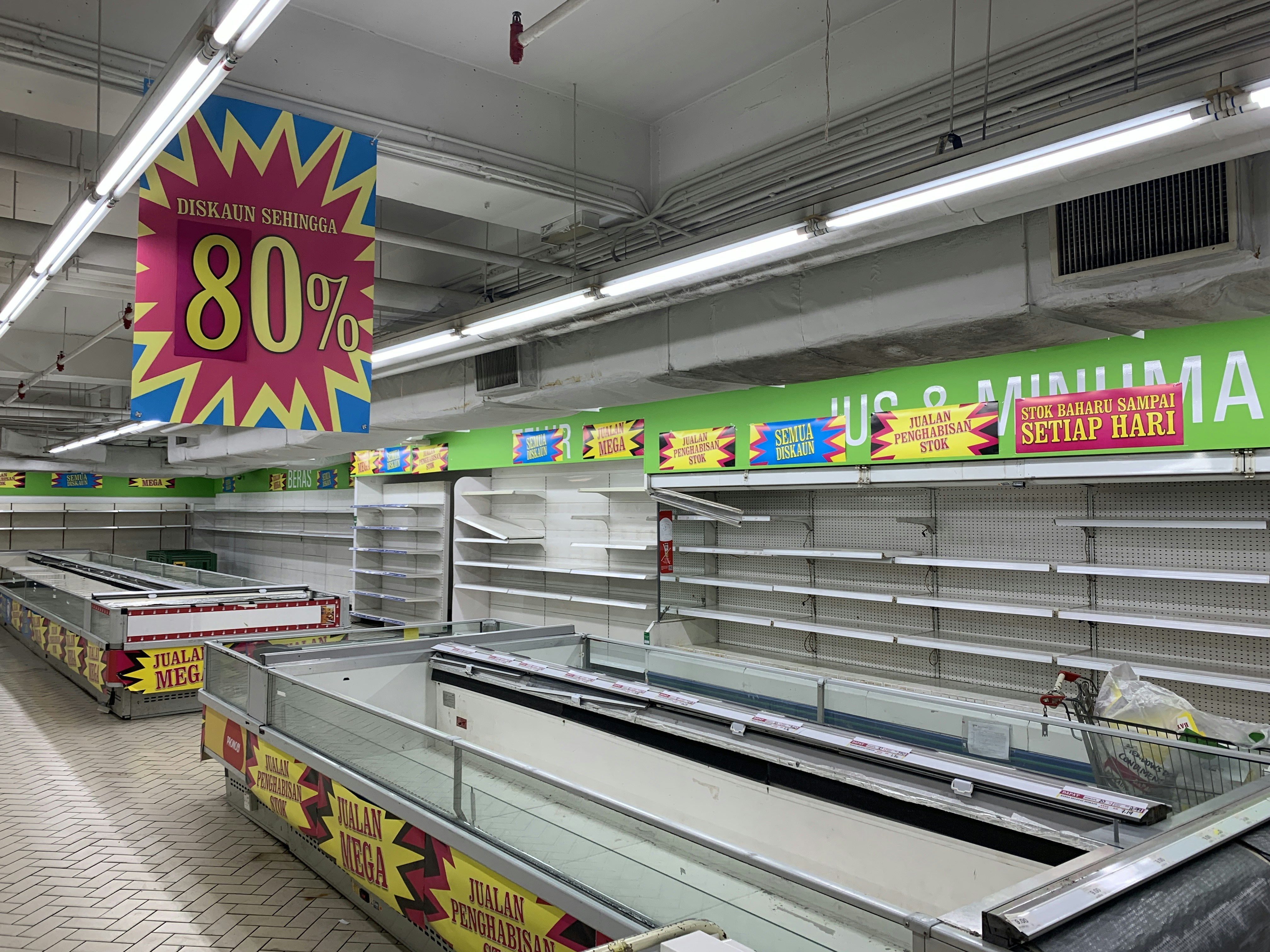
The recent closures of certain Aldi locations can be attributed to a combination of factors that collectively reflect the evolving landscape of the grocery retail industry. To begin with, financial challenges have emerged as a prominent reason. Aldi’s business model, which emphasizes low-cost offerings, is being pressured by rising operational expenses. These expenses include increased wages, higher rent costs, and the necessity of investing in technology to enhance the customer experience and streamline operations.
Additionally, changing consumer behavior plays a significant role in these closures. With the rise of e-commerce and a preference for convenience, many shoppers are gravitating towards online grocery shopping or local markets. This shift is compelling traditional retailers, including Aldi, to reassess their physical presence and operational strategies. Consumers now prioritize varied product options and personalized services, leading to increased foot traffic in niche stores rather than generalized supermarkets.
Moreover, competition in the grocery sector has intensified. Supermarkets and discount retailers are continually innovating and expanding, thus providing more appealing alternatives to customers. For instance, competitors may offer enhanced loyalty programs, wide-ranging organic selections, or online shopping solutions that cater to a market increasingly leaning towards convenience.
Economic factors, including inflation and supply chain disruptions, have further compounded these challenges. Inflation raises the costs of goods, making it harder for discount retailers like Aldi to maintain their low-price promise without encoding marked-up prices. Concurrent issues with supply chains, which have been affected by global events, hinder the ability to restock shelves efficiently and meet consumer demand.
Finally, internal company strategies also influence store closures. Aldi may be focusing on reallocating resources to strengthen existing stores or entering more lucrative markets instead of maintaining certain locations that do not perform to expected standards. Thus, the closure of select Aldi stores reflects a multifaceted response to external pressures and internal corporate decisions.
Impact on Local Communities
The closure of Aldi stores can have significant repercussions on local communities, directly influencing both the economic environment and the quality of life for residents. One immediate effect is the loss of employment opportunities. After an Aldi store closes, many employees find themselves in search of new jobs, which can lead to increased unemployment rates in the surrounding area. The availability of jobs at Aldi often provided stable positions with decent pay and benefits, which are now lost, placing additional strain on the local job market.
Moreover, Aldi stores offer accessible and affordable grocery options. For many residents, especially those in low-income households, these stores serve as critical lifelines for procuring necessary food supplies. Without access to Aldi, shoppers may be required to travel further distances to find grocery stores, often at higher prices. This can disproportionately affect the elderly, disabled, or those lacking reliable transportation, thereby exacerbating existing food insecurity issues. The availability of diverse, affordable options in local grocery stores is essential for maintaining community health.
The economic landscape of communities also takes a hit following such closures. Local businesses often rely on supermarkets like Aldi to attract foot traffic; when these stores shutter, surrounding businesses may experience decreased sales, which can lead to a broader economic downturn. Additionally, local governments may face reduced tax revenues, impacting public services. Residents express their disappointment, noting that Aldi was more than just a grocery store—it was a community fixture. Local officials have voiced concerns about the long-term implications for community cohesion, emphasizing the need for alternative plans to mitigate these negative impacts.
Future of Aldi and Grocery Retail Landscape
The recent store closures by Aldi have raised questions regarding the future of the supermarket chain and its strategy within the grocery retail landscape. As the industry undergoes significant transformation driven by advancements in technology and shifting consumer preferences, Aldi must adapt to maintain its competitive edge. One prevailing trend is the increase in online shopping, which has been accelerated by changes in consumer behavior following global events. Shoppers are increasingly opting for the convenience of e-commerce and delivery services, compelling traditional grocery chains to enhance their online presence.
Aldi can leverage current market dynamics by investing further in its online shopping infrastructure, which may include partnerships with delivery platforms or the enhancement of its own e-commerce website to facilitate a better shopping experience for consumers. Additionally, embracing a focus on curbside pickup and same-day delivery services could attract time-conscious shoppers looking for convenience alongside affordability.
Moreover, Aldi’s value proposition has long relied on offering low prices through efficient supply chain management and a limited product selection. As competitors introduce diverse options and specialty products, Aldi may need to consider diversifying its product lines without straying too far from its core philosophy of affordability. Sustainability is another significant trend influencing consumer choices today. By incorporating more organic and ethically sourced products, Aldi could appeal to environmentally conscious shoppers.
Looking forward, Aldi’s challenges are reflective of broader trends in the grocery retail industry. The rising demand for health-focused and sustainable products may lead Aldi to reevaluate its procurement strategies and product offerings. By continuously monitoring evolving customer preferences and investing in technology and logistics, Aldi can thrive in an increasingly competitive grocery retail market. Adapting its business model to align with these trends will be critical for Aldi’s long-term viability in the marketplace.