

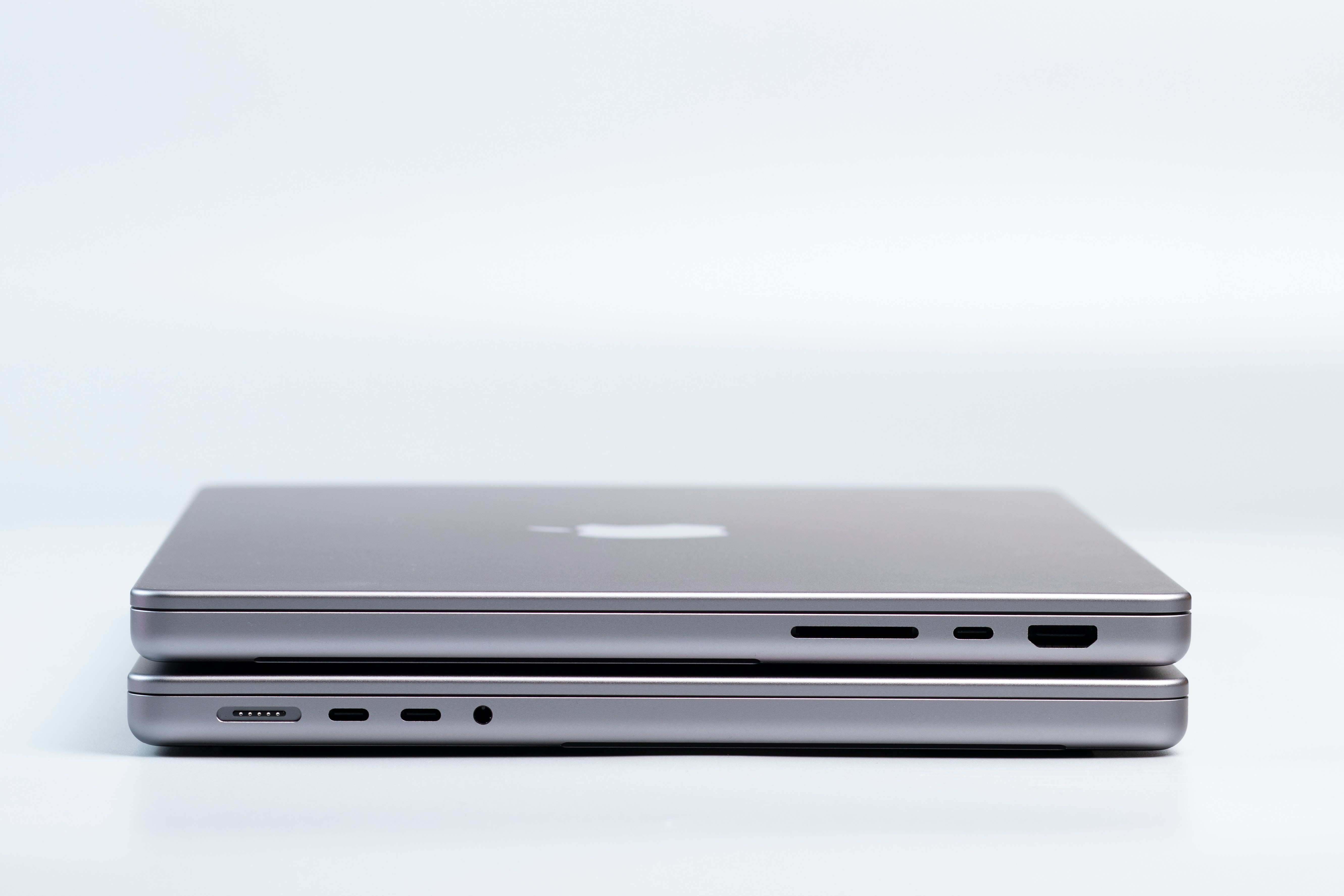
Introduction to the Laptop Market in 2026
The laptop market in 2026 has experienced remarkable evolution, driven by rapid technological advancements and shifting consumer demands. As society continues to embrace hybrid lifestyles, the focus on portable computing solutions has intensified. Laptops that skillfully balance performance, portability, and user-friendly features have become paramount in meeting the diverse needs of modern users.
One of the most notable trends in 2026 is the shift towards ultra-thin and lightweight designs without compromising power. Manufacturers have prioritized developing laptops that are not only easy to carry but also equipped with cutting-edge hardware, such as faster processors and enhanced graphics capabilities. This blend of portability and performance has led to the emergence of devices that cater to both professionals and casual users alike.
Additionally, consumer preferences have evolved significantly over the past few years. Users now demand more than just basic functionality from their laptops. Features such as long battery life, high-resolution displays, and improved connectivity options are considered essential. As remote working and online learning continue to define the way we interact with technology, consumers seek laptops that can adapt seamlessly to various tasks—be it creative work, gaming, or business-associated activities.
Technological advancements have also influenced the laptop market, with innovations in battery technology, display quality, and the integration of Artificial Intelligence (AI) into everyday computing. Consequently, the laptops of 2026 are not only faster and more efficient but also smarter, enhancing user experiences significantly. This transformative landscape sets the stage for the best laptops available, ensuring that prospective buyers have plenty of high-quality options to consider.
Criteria for Selecting the Best Laptops
When evaluating the best laptops of 2026, several key criteria play a crucial role in determining their overall performance and usability. This guide aims to dissect these factors to provide a clearer understanding of what makes a laptop stand out in today’s competitive market.
Firstly, performance benchmarks are fundamental in measuring a laptop’s efficiency and capability. The processing power, typically indicated by the CPU type and speed, along with the RAM capacity, directly impacts the device’s ability to handle demanding tasks. High-performance laptops often incorporate the latest processors and SSD technology, ensuring rapid load times and smooth multitasking.
Next, battery life is an essential consideration for users who prioritize portability. In 2026, advancements in battery technology have led to longer-lasting laptops capable of sustaining productive work for extended periods without the need for frequent recharging. A laptop’s battery life is often quantified in hours, but real-world usage scenarios, such as video playback or productivity tasks, provide a more realistic expectation.
Additionally, display quality cannot be overlooked. Today’s laptops often feature high-resolution displays with vibrant color profiles and enhanced brightness levels. Features such as retina displays or OLED technology significantly enhance visual experiences, making them particularly important for professionals in creative fields who require accurate color representation.
Build quality is another key aspect of selection criteria. A well-constructed laptop not only withstands daily wear and tear but also incorporates ergonomic designs that improve user experience. This includes factors like keyboard comfort, hinge durability, and chassis strength which contribute greatly to the longevity and usability of the device.
Finally, the price-to-performance ratio remains a decisive factor for many consumers. Evaluating the overall value of a laptop involves comparing its price against the features and performance it offers. A good balance between cost and capabilities often determines a laptop’s place among the best options available.
Top Laptops of 2026
As we delve into the best laptops of 2026, there are several categories to consider including ultrabooks, gaming laptops, and versatile 2-in-1 devices. Each category has standout models equipped with the latest technology designed to cater to a variety of user needs.
1. Dell XPS 13 (Ultrabook)The Dell XPS 13 continues to be an iconic choice among ultrabooks, combining portability with high performance. It is equipped with Intel’s latest 13th generation processors and offers up to 32GB of RAM, providing excellent multitasking capabilities. The 4K UHD+ display showcases stunning visuals, making it ideal for designers and multimedia consumers. It weighs just under 3 pounds, making it exceptionally portable.
2. Razer Blade 16 (Gaming Laptop)For those seeking cutting-edge gaming performance, the Razer Blade 16 stands out with its robust specifications. Featuring an NVIDIA GeForce RTX 4090 GPU, it ensures seamless gameplay at high settings. The laptop also includes a 16-inch QHD+ display with a refresh rate up to 240 Hz, providing an immersive gaming experience. With a sleek design and customizable RGB lighting, it appeals to both gamers and professionals alike.
3. Microsoft Surface Pro 9 (2-in-1 Device)The Microsoft Surface Pro 9 is a top contender in the 2-in-1 category, offering the flexibility of a laptop and tablet in one device. With a 13-inch touchscreen and a detachable keyboard, it serves well for both productivity and casual browsing. Its M1 chip provides remarkable performance and battery efficiency, allowing users to work or play without frequent charging. Ideal for students and professionals on the go, this device balances functionality and style.
These models represent the pinnacle of technology in their respective categories for 2026, each tailored to meet specific user requirements, whether for heavy gaming, professional tasks, or casual use. By choosing from these best laptops, consumers can ensure they are investing in a device that suits their personal and professional needs.
Future of Laptops: Innovations and Predictions
The landscape of laptop technology is poised for substantial transformation in the coming years, driven by innovative research and consumer demand for enhanced user experiences. One notable trend is the evolution of design. As manufacturers continue to push the boundaries of aesthetics and functionality, we can expect laptops to become increasingly sleek and lightweight, integrating materials that not only reduce weight but also improve durability. This shift will allow for more portable devices without sacrificing performance.
Performance improvements are also on the horizon, with processors becoming more powerful while consuming less energy. Advances in semiconductor technology, particularly with the growth of AI and machine learning integration, will enable laptops to provide faster processing speeds and improved multitasking capabilities. This means users can expect to run multiple demanding applications simultaneously without experiencing lags or slowdowns.
Battery longevity remains a critical focus for developers, as users seek laptops that can last throughout the day without needing frequent recharging. Innovations in battery technology, such as solid-state batteries and improved energy efficiency within components, will likely extend operational time significantly, paving the way for all-day usage in various scenarios, including remote work and travel.
Furthermore, emerging features such as foldable screens and detachable components may redefine how users interact with their laptops. Foldable displays could provide larger viewing areas without enlarging overall device dimensions, offering enhanced versatility. Additionally, AI integration may lead to smarter operating systems that adapt to user habits, optimizing performance dynamically based on individual workflows.
As the laptop market continues to evolve, these trends reflect not just technological advancements but a deeper understanding of user needs. Expect the next generation of laptops to seamlessly blend design, performance, and innovative features, ultimately redefining our computing experiences.