

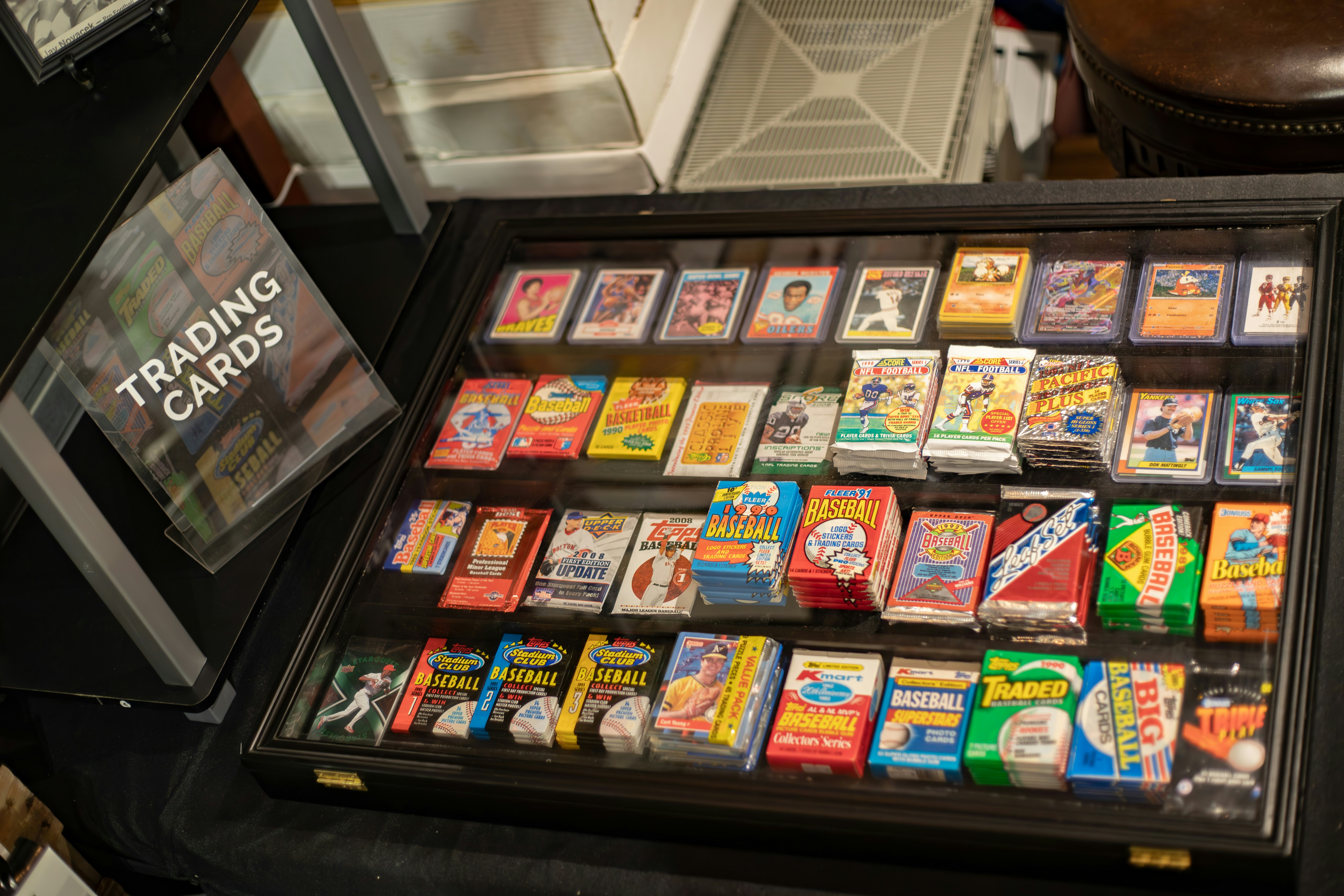
The History of Topps: From Chewing Gum to Trading Cards
Topps Company, Inc. was established in 1938, initially focusing on the production of chewing gum. Founded by Morris and Jacob Shorin in Brooklyn, New York, the brand quickly gained popularity due to its innovative marketing strategies and commitment to quality. The turning point for the company came in 1951 when Topps ventured into the trading card industry by introducing its first set of baseball cards. This was a significant milestone that would distinguish the company in the rapidly evolving world of collectibles.
The initial baseball card set featured stars of the Major League Baseball, including legends such as Mickey Mantle and Jackie Robinson. These cards were not just products but rather collectible items that resonated with sports fans, fostering a new market for trading cards. With the introduction of the bubble gum in each pack, the cards became even more appealing to children and collectors alike, transforming the casual sports viewing into a more engaged pastime.
Throughout the 1960s and 1970s, Topps expanded its product lines, introducing trading cards for various sports, including football and basketball, which showcased popular players and became significant collectibles. Their innovative use of vibrant imagery, player statistics, and team information helped bolster their reputation in the market. The ability to adapt and diversify product offerings positioned Topps as a leader in the trading card industry.
As the decades progressed, Topps faced various challenges, such as licensing issues and competition from other companies. However, they continually sought to innovate, introducing new products like non-sport cards and collectible stickers. By embracing changes in consumer behavior and the rise of digital platforms, Topps maintained its legacy as a pioneer in the world of collectibles. The company’s commitment to quality and nostalgia remains a critical factor in its enduring success.
The Iconic Topps Trading Card Brands
The Topps Company has established itself as a notable leader in the trading card industry, with an extensive portfolio of brands that resonate with collectors across the globe. Among these, Topps Baseball deserves significant attention, as it remains one of the most recognized trading card series. Introduced in 1951, Topps Baseball cards captured the hearts of sports fans and collectors alike. The brand is known not just for its extensive player rosters and iconic designs, but also for offering unique subsets and inserts that enhance collectibility. Cards from milestone years, like the 1952 set featuring Mickey Mantle, are particularly sought after and command high prices in the market.
Equally prominent in the Topps catalog is Topps Football. Launched in 1956, this brand has consistently provided fans with an opportunity to engage with their favorite players and teams through vivid imagery and comprehensive stats. Topps Football is celebrated for its innovative designs and for introducing various insert cards, which add layers to the collecting experience. For instance, the rookie cards of notable players often become cornerstones in many collections, reflecting both personal sentiment and financial investment.
Another brand that has made waves in the trading card landscape is Topps Chrome, first released in 1996. Known for its shiny, refractive surfaces, Topps Chrome cards provide a modern aesthetic that appeals to younger collectors. The brand often features players from various sports, and subsets like the “X-Fractor” and “Gold Refractor” have become staples in the realm of premium card collecting. The allure of Topps Chrome lies not only in its eye-catching designs but also in its scarcity, as certain parallels are produced in limited quantities.
These brands collectively showcase how Topps has consistently adapted to the evolving tastes of collectors while maintaining a legacy that spans generations. Their influence on the collecting community is evident in the passionate engagement and the continued demand for their products.
The Impact of Topps on Pop Culture and Collecting
Topps, a name synonymous with collectibles, has made a significant mark on pop culture since its inception. Known primarily for its trading cards, the company has established a firm foothold in the collectibles market. This tenure is characterized by strategic partnerships with various franchises in movies, television shows, and especially in professional sports. Such collaborations not only amplify the visibility of Topps products, but they also intertwine the nostalgia of fans with their beloved characters and sports icons.
The influence of Topps is evident in its innovative release strategies and card designs that appeal to diverse audiences. The company has captured moments in sports and entertainment, allowing collectors to reminisce about significant events and memories. For instance, the collaboration with Major League Baseball has led to the production of limited edition cards that celebrate a player’s historic achievements, thus enhancing their sentimental value among fans and collectors.
Furthermore, Topps has played a crucial role in evolving the hobby of collecting, setting trends with various products. The introduction of themed collections, such as those based on popular films like Star Wars or iconic animated shows, has cultivated a unique market segment that appeals to both collectors and casual fans alike. These products foster a vibrant community of enthusiasts who engage in trading and showcasing their collections, thereby enriching the collecting experience.
Moreover, Topps has contributed to a sense of nostalgia that resonates deeply with collectors. Many individuals who grew up collecting baseball cards or other Topps products often pass down their passion to the next generation, ensuring that the legacy of Topps continues. The brand’s ability to evoke memories through its merchandise reinforces its position as a cultural icon within the realm of collectibles, solidifying its lasting impact on pop culture.
The Future of Topps in the Digital Age
As the digital era continues to reshape various industries, Topps is positioned to leverage this transformation, particularly through the introduction of digital trading cards and mobile applications. The company has already made strides by launching platforms that enable collectors to buy, sell, and trade digital cards, appealing to a younger audience that is increasingly engaged with technology. This pivot towards digital collectibles not only preserves the core essence of collecting but also enhances accessibility, allowing enthusiasts from around the world to participate in the community.
The rise of non-fungible tokens (NFTs) has further opened doors for Topps, presenting a unique opportunity for the brand to innovate in the collectibles market. By creating exclusive digital editions of popular trading cards, Topps can tap into the growing demand for digital assets while providing collectors with distinct, one-of-a-kind treasures. These initiatives are expected to complement traditional physical card offerings, establishing a hybrid model that nurtures both existing collectors and attracts new fans.
However, challenges remain in the digital landscape. Maintaining the authenticity and value that traditional collectors associate with physical items is crucial. Furthermore, addressing concerns related to security, ownership, and the environmental impact of blockchain technology are essential considerations that Topps must navigate. Despite these hurdles, the potential for growth in the digital collectible space is significant, offering transformative pathways for engagement.
In the coming years, collectors can anticipate more innovative products and enhanced user experiences from Topps. Community engagement through interactive features, augmented reality experiences, and cross-platform integrations are likely to become commonplace. By embracing technology while honoring its legacy, Topps is set to redefine the future of collectibles within the digital age.